
Understanding the psychology behind gambling decisions and risk-taking behavior
The Role of Luck in Gambling
Luck plays a crucial role in gambling, influencing how individuals make decisions and assess their chances of winning. Many gamblers often believe that luck is a tangible force that can be harnessed or manipulated, leading them to develop superstitions and rituals around their betting habits. This belief in luck can affect their willingness to take risks, often resulting in impulsive decisions that may not be grounded in rational thought. Some players even seek out the best online poker real money games, believing their skill can outbalance the luck factor.
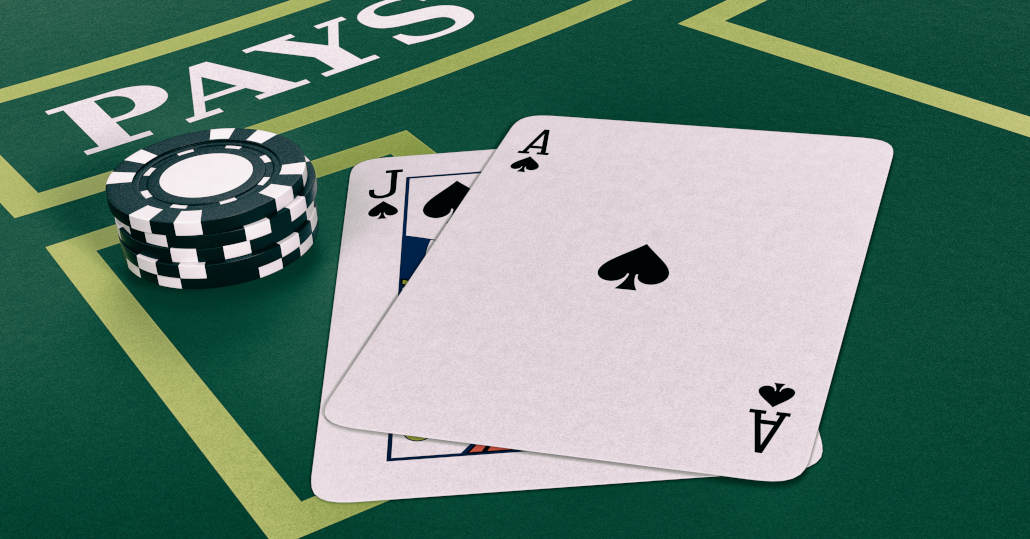
The concept of luck can create a false sense of confidence, making gamblers feel as though they have more control over outcomes than they actually do. This cognitive bias leads to what is known as the “illusion of control,” where players believe they can influence random events. Such misconceptions can escalate risk-taking behavior, as individuals may continue to gamble in hopes of reversing losses, driven by the belief that their luck will eventually change.
The Influence of Skill
While luck is a significant factor in gambling, the role of skill cannot be overlooked. In games such as poker or blackjack, a player’s knowledge and experience can greatly influence outcomes. Skilled players often analyze the odds and make strategic decisions based on probabilities, which can lead to more favorable results over time. This blend of luck and skill creates a complex dynamic that can affect a gambler’s psychological state.
The perception of skill also impacts a gambler’s approach to risk. Individuals who believe they possess a higher level of skill may feel more empowered to take risks, underestimating the role of chance. This overconfidence can lead to larger bets or riskier plays, as they seek to capitalize on their perceived advantages. Understanding this interplay between luck and skill is vital for recognizing how gamblers assess risk and make decisions.
Emotional Factors in Gambling
Emotions significantly shape gambling decisions and risk-taking behavior. The thrill of the game can trigger a range of emotions, from excitement and joy to anxiety and frustration. Positive emotions can enhance the pleasure of gambling, encouraging individuals to take more risks in pursuit of that high. Conversely, negative emotions, such as sadness or stress, can lead to reckless gambling as a form of escapism.
The emotional rollercoaster that comes with gambling can also lead to erratic decision-making. Gamblers may chase losses, ignoring logic in favor of heightened emotional states. This phenomenon is often referred to as “loss aversion,” where the fear of losing drives individuals to make impulsive decisions that can lead to further losses. Understanding these emotional triggers is essential for anyone looking to grasp the psychology behind gambling behavior.
The Social Aspects of Gambling
Gambling is not solely an individual endeavor; it is often a social activity that influences decision-making and risk-taking behavior. The social environment can impact a gambler’s choices, as peers and cultural norms play a role in shaping attitudes towards gambling. Many people gamble in groups, and this social interaction can amplify both the excitement and the risks associated with betting.
Moreover, social identity can affect how individuals perceive their gambling behaviors. For instance, being part of a community that views gambling positively may encourage riskier decisions. Peer pressure and the desire to fit in can lead individuals to take larger risks than they normally would. Understanding the social dynamics at play in gambling contexts can provide deeper insights into why individuals make certain choices and how they evaluate risks.

Exploring the Depth of Gambling Psychology on Our Website
On our website, we delve into the intricate psychology behind gambling decisions and risk-taking behavior. Through comprehensive articles, expert insights, and research-based discussions, we aim to provide a deeper understanding of the factors that influence gamblers’ choices. Our resources are designed for anyone interested in the nuances of gambling psychology, whether for personal insight or professional development.
We believe that understanding the mental and emotional aspects of gambling is key to fostering a responsible approach to risk-taking. Join us as we explore the fascinating world of gambling psychology and empower individuals to make informed decisions. Your journey towards understanding the complexities of gambling starts here.